
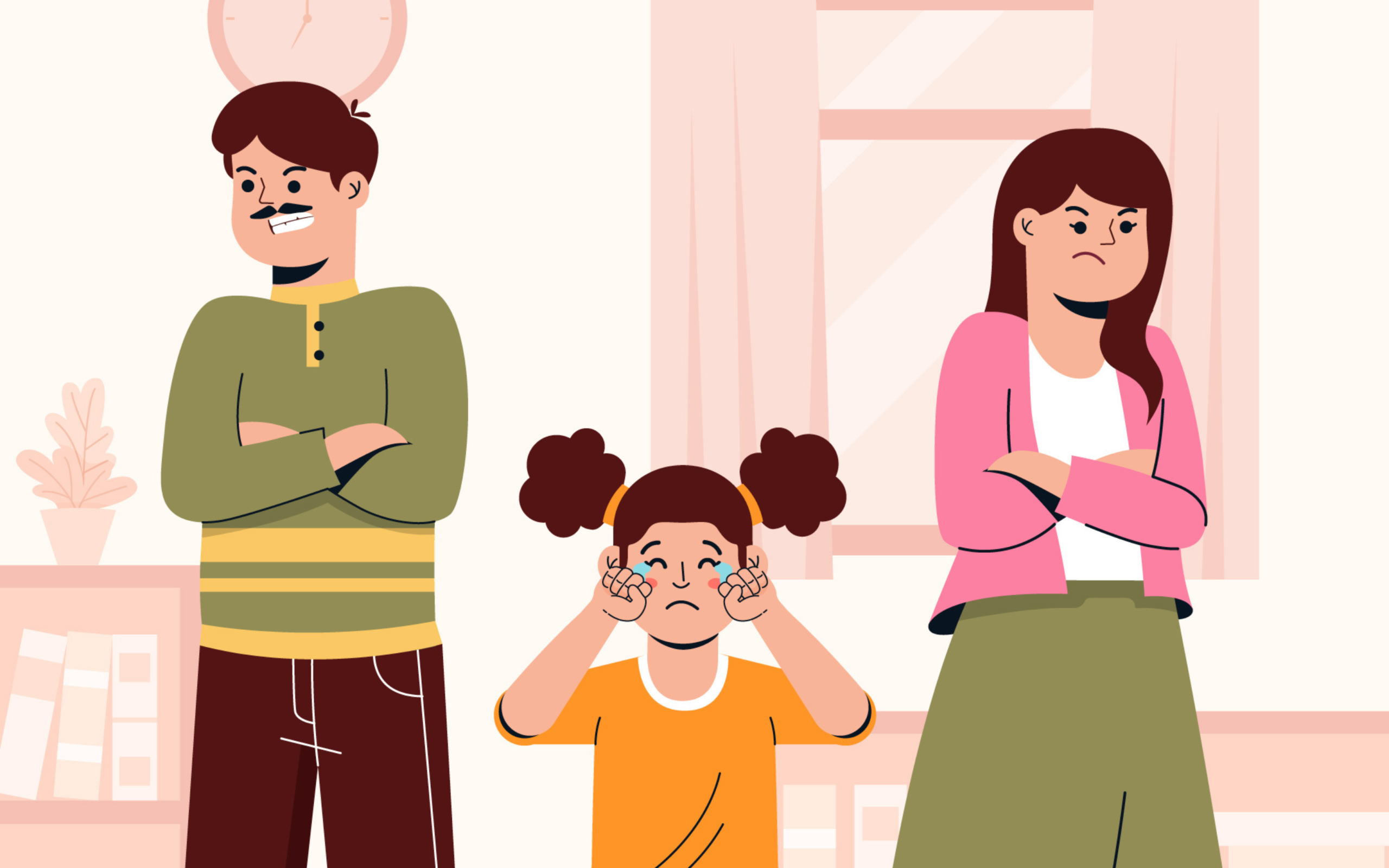
In addition to the term the “angry daughter” taking over my social media, I have seen a couple of content creators contemplating if they should disappoint their parents. By disappointing, one might think it is by showing up drunk, vaping, getting bad grades, dropping out of school, stealing, or some other detrimental way but in-fact, that is not what they meant. Not at all. These creators talked about the belief we have all heard that people should make a life that they find worth living. A life or path (metaphorically thinking) they carve for themselves because that is what they want, not others, but what about parents? When role do parents play, and how much of a role should they play when someone is trying to build a life they find worth living?
I decided to turn to the literature about this, in the hopes of finding some guidance. According to Cichy et al. (2013), a few key points were found. Parent’s can interpret their child’s failures and wins as their own; if a child is feeling proud and fulfilled with their accomplishment, the parents will reciprocate that. Similarly, if a child feels dejected because they failed to accomplish something, the parents may feel worry or guilty over the fact that they failed to support their child somehow. A child can be seen as an extension of the parent. Parents also have expectations, which lead to feelings of disappointment, anger, or worry.
A gendered difference exists when it comes to the disappointment of parents, especially since there are different expectations for males and females; moms’ expressed more disappointment and worry when daughters’ did not actively look for romantic partners, whereas, dads exhibited the same when it came to their sons’ careers. When parents did express disappointment, the reaction of the adult children varied. Some adult children used that disapproval as motivation to push themselves to do better and hope they can mend their relationship with their parents, however, there are some adult children who felt that anger and disapproval too and returned it to their parents (Cichy et al., 2013).
I think the content creators online were trying to highlight aspects of Cichy et al. (2013) in their own ways. Many recounted their personal stories, but I found the underlying theme to be much simpler; parents have their expectations, dreams and aspirations for their children, but children should not feel pressured to follow them if they do not want too. Sakaki et al. (2026) also found that parent’s unrealistic aspirations and expectations resulted with greater anxiety manifestation in children, whether it be immediately or later on. Although this was found in an educational setting, the earlier studies found that higher parent’s aspirations and expectations could also increase the chances of the children experiencing depression, lower academic performance, higher chances of dropping out from school, more criticism from parents, and other negative outcomes.
Sometimes we need to remember life is full of tough decisions and perhaps, just perhaps, our parents don’t always know what is best for us. They say to live a life without regrets, but that may require a sacrifice or few from the individual. I’m not suggesting people should immediately go and disappoint their parents in whichever way they see fit, but I am suggesting we ask ourselves how we want to live our life and what is stopping us from living a life you desire.
References
Cichy, K. E., Lefkowitz, E. S., Davis, E. M., & Fingerman, K. L. (2013). “You are such a disappointment!”: Negative emotions and parents’ perceptions of adult children’s lack of success. The Journals of Gerontology: Series B: Psychological Sciences and Social Sciences, 68(6), 893–901. https://doi-org.proxy.lib.sfu.ca/10.1093/geronb/gbt053
Sakaki, M., Murayama, K., Frenzel, A. C., Goetz, T., Marsh, H. W., Lichtenfeld, S., Wünsch, M., & Pekrun, R. (2026). Parents’ academic expectations and aspirations predict students’ achievement emotions. Journal of Educational Psychology, 118(1), 35–52. https://doi-org.proxy.lib.sfu.ca/10.1037/edu0000959
Image courtesy of Freepik.com
Note: The Free Your Mind Mental Health Society is an independent youth-led organization. The contents of this blog are not intended to be a substitute for professional medical advice, diagnosis, or treatment. Always seek the advice of your physician or another qualified health provider with any questions you may have regarding a medical condition. In the event of a medical emergency, please call your doctor or 911 or other local emergency numbers immediately.



Leave A Comment